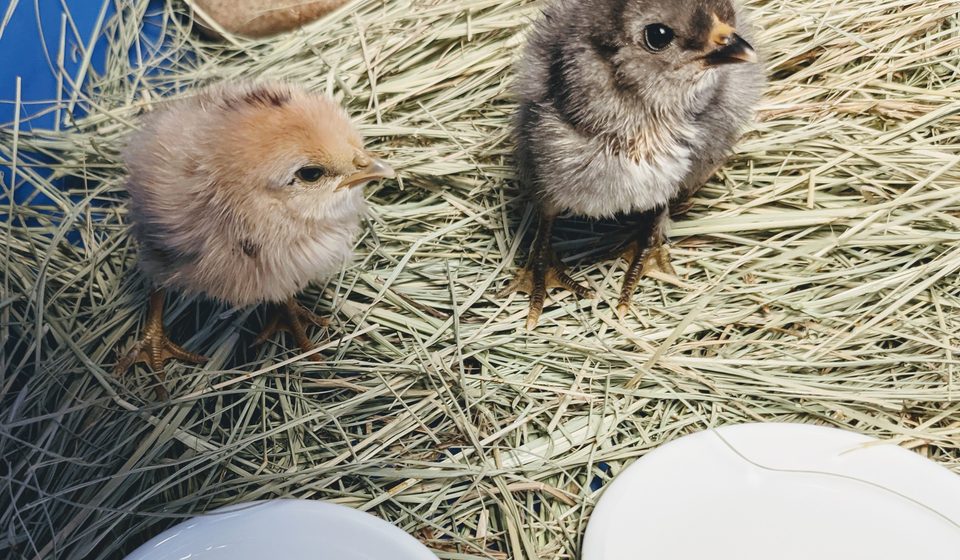


The math behind chicken keeping is notoriously delusional. Ask three different homesteaders what it costs to keep a flock, and you’ll get three wildly different numbers. The internet will tell you chickens are cheap, but the internet routinely forgets about the price of predator protection, house keeping, and the infrastructure needed to keep 25 tiny dinosaurs from eating you out of house and home. I currently have my flock down to a science, but that’s only because I’ve abandoned the standard factory-farm model in favor of a daily routine that looks less like agriculture and more like an elaborate prison break (but my dino-prisoners willingly come back each night).
Because my flock is allowed to free-range for most of the day, my ongoing feed expenses are considerably lower than they would be under total confinement. Currently, my predictable recurring budget is surprisingly modest: the chickens go through one 50-pound bag of feed every two weeks at $20 a bag, totaling $43.33 per month. Combined with $10.83 a month for a single $5 bag of cedar chips—which I carefully add to replenish my two coops rather than entirely replacing all the bedding—my basic, recurring chicken budget comes out to $54.16 per month, or $650 a year. Broken down, that is a mere $26 per chicken per year.

While that $26 figure sounds incredibly cheap, it is also highly misleading. That number represents a maintenance cost for an established flock, not the true cost of chicken ownership. It skips over the major infrastructure I already have in place: the initial coop construction, fencing, feeders, waterers, and the inevitable, unpredictable repairs that arise because snakes and predators excel at finding weaknesses in whatever you build. A beginner starting from scratch with just six chickens could easily spend far more per bird than I do simply because they are paying for that initial infrastructure.
Furthermore, making a low-cost, free-range system work requires a strict management routine to handle the reality that chickens are prey animals. For my property, our primary threat is evening and early morning owl activity. To mitigate this, my routine begins just before sunrise, feeding the flock as I release them from the sleeping coop into a predator-proof pen. They remain there for about two hours until the immediate threat passes, after which I open the gate and let them truly range across the property to forage for bugs, frogs, seeds, and vegetation. An hour before sunset, a second feeding coaxes them back into the secure pen, and once darkness falls, they naturally roost in the coop where I lock them in safely for the night.
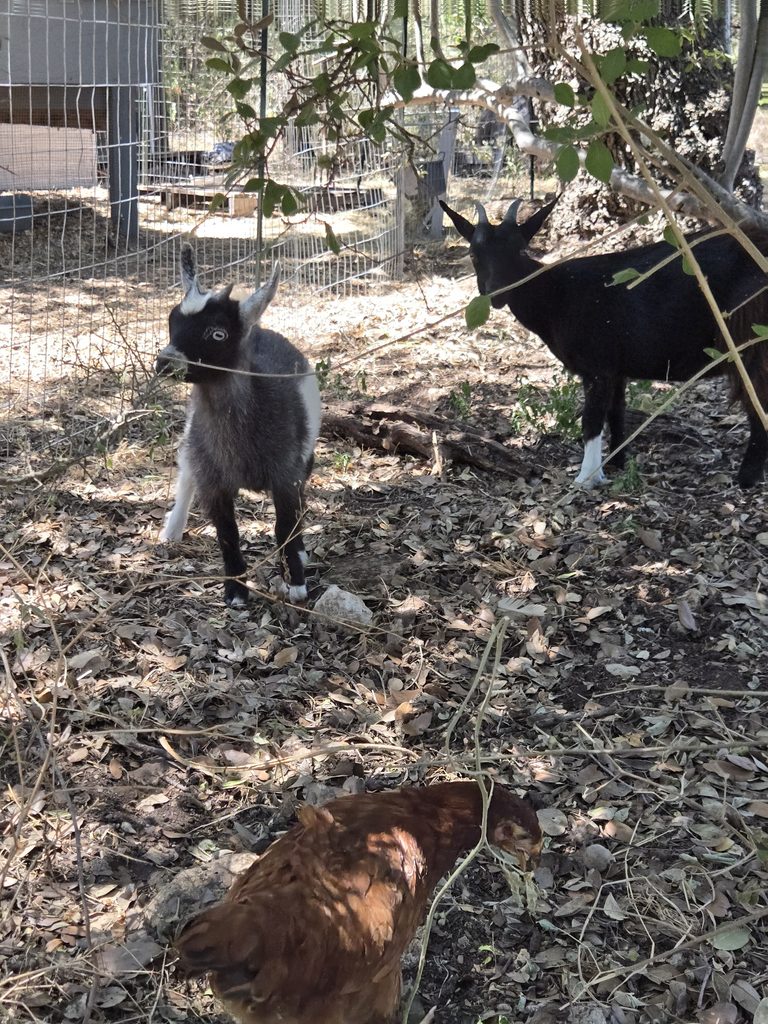
This ecosystem approach is what drives the economics of my flock. My chickens aren’t sitting in a pen waiting for me to hand-deliver their nutrition; they are actively working the environment, supplementing their diet, and fulfilling their natural behaviors.
Ultimately, there is no single, universal answer to what it costs to keep chickens. Someone keeping 25 birds in a fully enclosed run, buying premium bedding, or paying off new infrastructure will face an entirely different financial reality. For my setup, the budget I account for is $650 a year. And for the pure joy of watching 25 little dinosaurs run around the property, eat bugs, plus giving us breakfast every morning, I’d say that’s a bargain!